
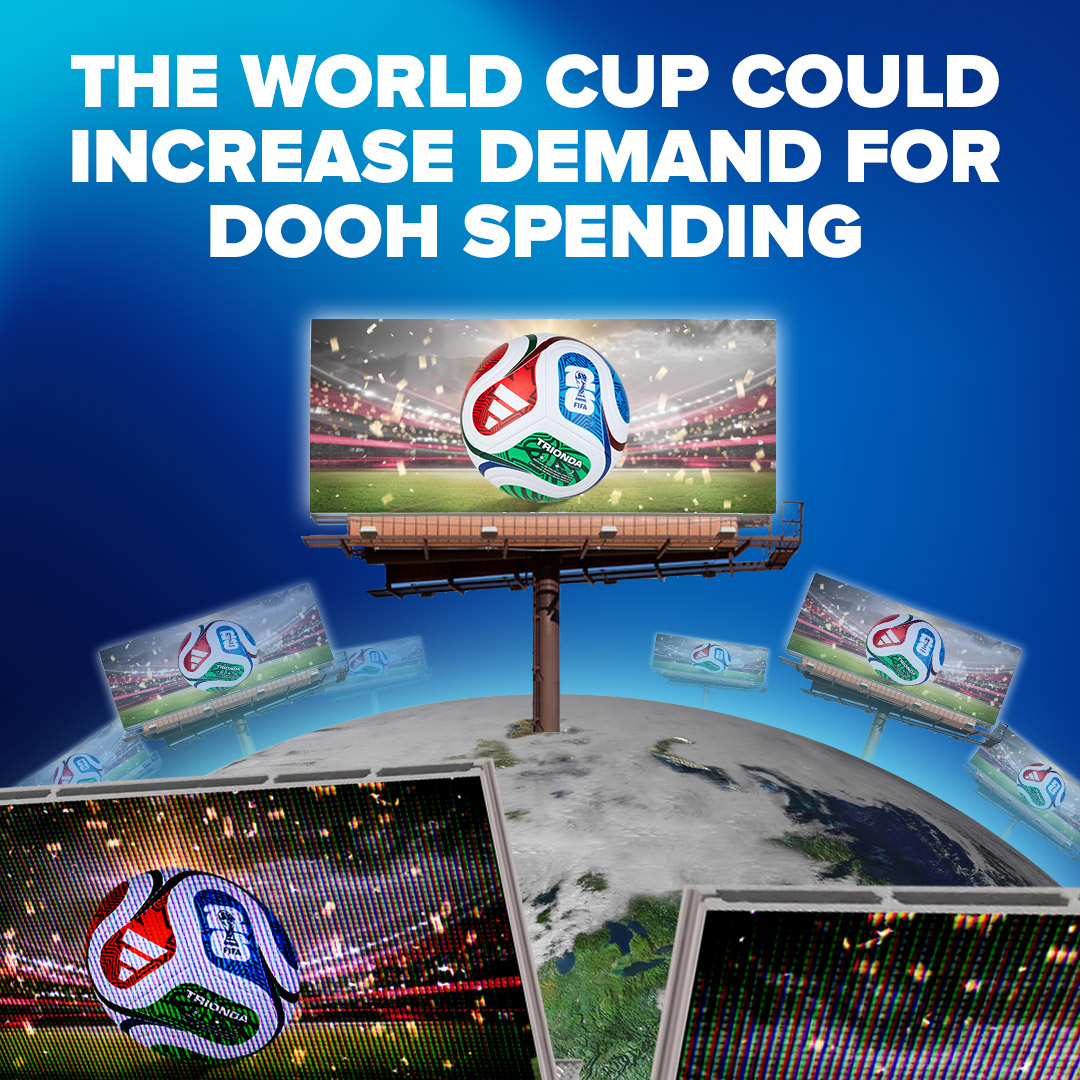
The 2026 FIFA World Cup is driving a significant surge in demand for digital out-of-home advertising as brands look for high-impact ways to reach massive crowds. Major marketers like Hyundai are integrating digital billboards at stadiums, airports, and fan zones into their broader media plans to capitalize on the heavy foot traffic and tourism expected in host cities. This shift is being fueled by a technological “renaissance” in the industry, where improved data and high-quality displays allow for more relevant and geographically targeted messaging than ever before.
For many advertisers, DOOH serves as a more accessible and affordable alternative to the skyrocketing costs of linear and streaming television. While official FIFA partners have the budgets for massive broadcast deals, smaller brands are turning to digital screens to establish a presence in host cities’ “wallpaper.” Industry experts note that inventory near key locations like Los Angeles’s SoFi Stadium is already almost entirely booked, with some providers reporting that they are pacing well ahead of a typical year.
The tournament is acting as a major revenue driver for the sector, with spending on U.S. out-of-home advertising projected to reach billions of dollars this year. Beyond the immediate financial gain, industry leaders view the World Cup as a critical proving ground for the effectiveness of DOOH compared to social media, which some studies suggest is less effective when consumers are on the move. Ultimately, the success of this tournament is expected to set the stage for even larger investments in the 2028 Summer Olympics.