


News Roundup - September 2026

Liquid Advertising

Catch up on this month's biggest stories in gaming and marketing!

Google Chrome has introduced a new metric within its developer tools called “Ad Density” to evaluate and quantify ad overload on websites. This feature allows web developers and publishers to track the proportion of a web page’s viewport that is occupied by ads during scrolling, helping site owners pinpoint when ad layouts cross the threshold into disruptive user experiences.

The initiative aligns with guidelines established by the Coalition for Better Ads, which considers ad density exceeding 30% of main content height on mobile or excessive coverage on desktop to be overly intrusive. By providing publisher teams with direct measurement standards inside Chrome’s Web Vitals framework, Google aims to encourage publishers to balance monetization needs with page speed, layout stability, and user retention.

By monitoring ad density, publishers can proactively adjust ad placements, sticky banners, and dynamic refresh rates to prevent negative ranking signals in search results and mitigate ad blocker adoption. The tool ultimately offers publishers data-driven insights to optimize ad viewability and ad revenue without compromising overall page performance and usability.
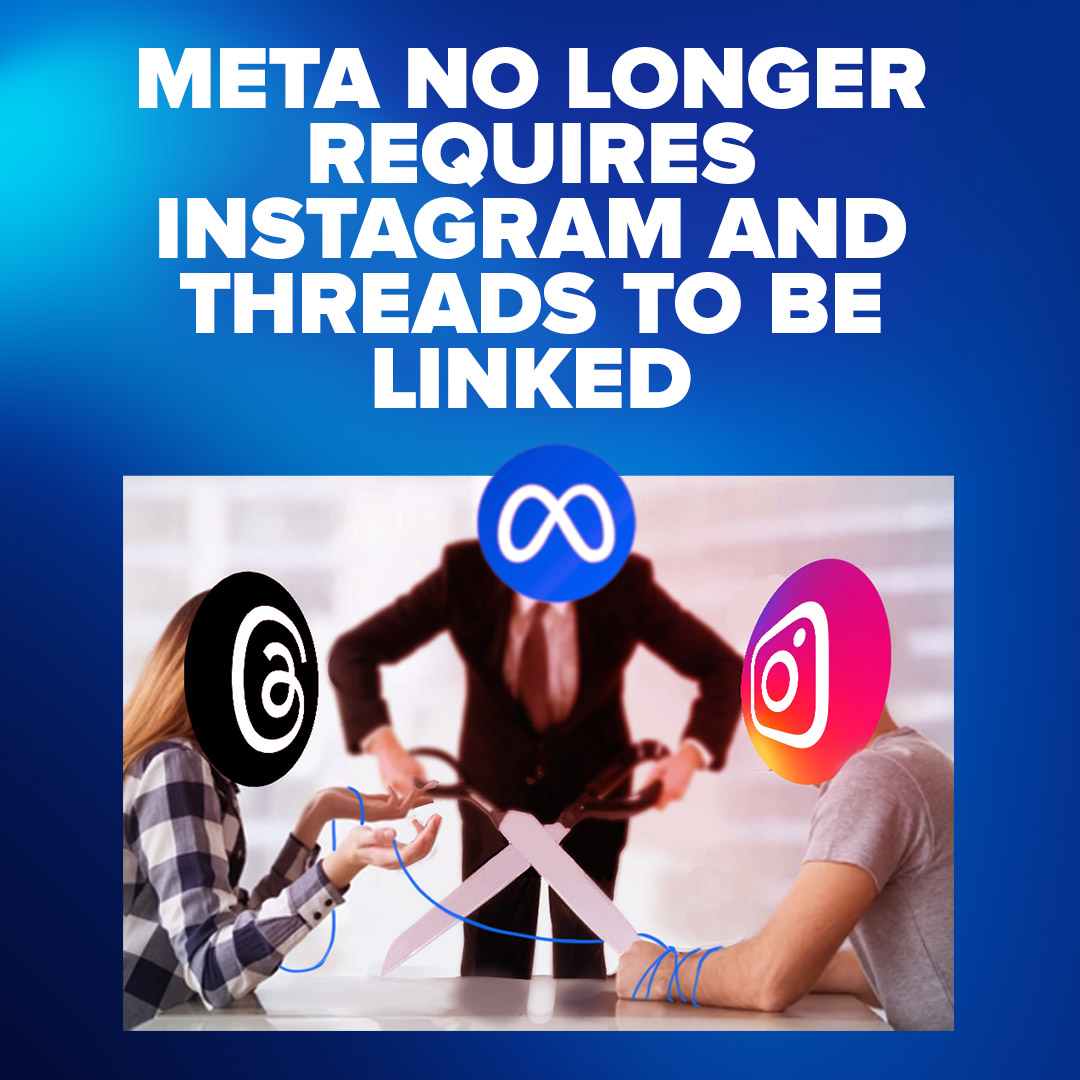
Meta is severing the mandatory connection between Threads and Instagram for advertisers, allowing brands to establish independent identities on the text-focused platform. Starting September 26, advertisers will no longer be required to hold an active Instagram account to run ads on Threads, and those managing accounts on both networks will gain the ability to customize distinct usernames for each platform.

When Threads debuted in 2023, Meta leveraged Instagram’s massive user base by requiring accounts and brand profiles to remain tied across both apps, driving rapid early adoption. However, as Threads approaches roughly 500 million users and establishes itself as a direct competitor to X, Meta is giving marketers the flexibility to tailor separate strategies for the distinct audience behaviors and media formats native to each app.

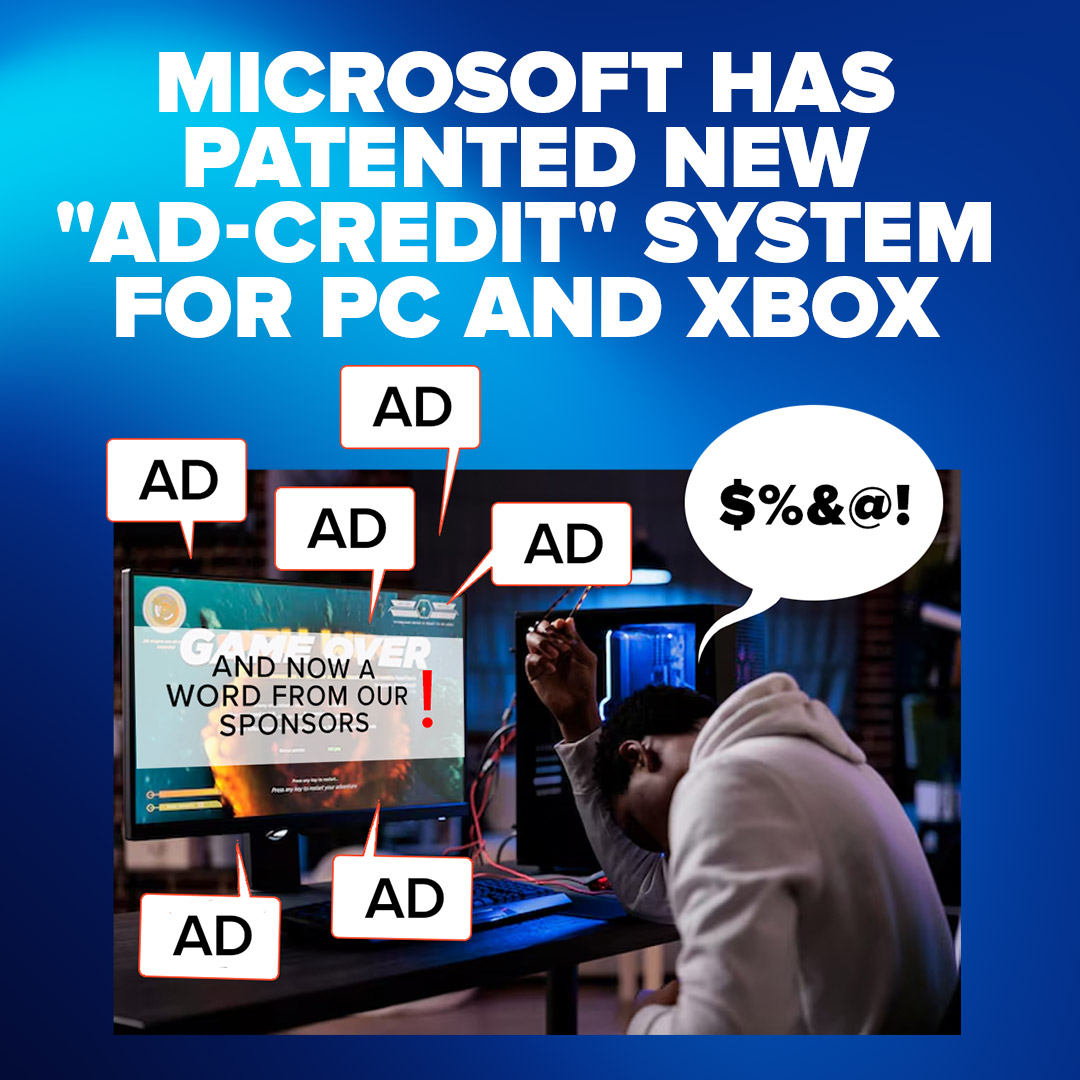
Microsoft has filed a patent for a contextually aware ad-credit system designed to present advertisements and announcements during PC and Xbox gameplay without interrupting active play. Titled “Contextually Aware Management of Interactive Software Application Access,” the technology identifies natural lulls in gameplay, such as loading screens, menus, or the completion of missions and rounds. When triggered, the system temporarily pauses the game and suspends player controls to ensure progress is not lost while the advertisement plays.

In exchange for viewing the advertisement, players earn credits that grant them a set duration of uninterrupted, ad-free play. This reward period could range from 15 minutes to over an hour, or be defined by specific in-game milestones like completing a level, finishing a set number of multiplayer matches, or defeating a non-playable character.

This patent aligns with Microsoft’s recent efforts to explore ad-supported options for its gaming platform. The company has already begun testing ad-supported cloud game streaming for Xbox Insider members, offering free one-hour sessions preceded by ads. These developments coincide with broader structural changes at Xbox, including newly introduced monthly cloud gaming time limits for Game Pass tiers, driven by rising cloud infrastructure costs, as well as broader restructuring and studio realignments within Xbox Game Studios.